Telangana Agriculture Department Warns Farmers Against Burning Crop Residue
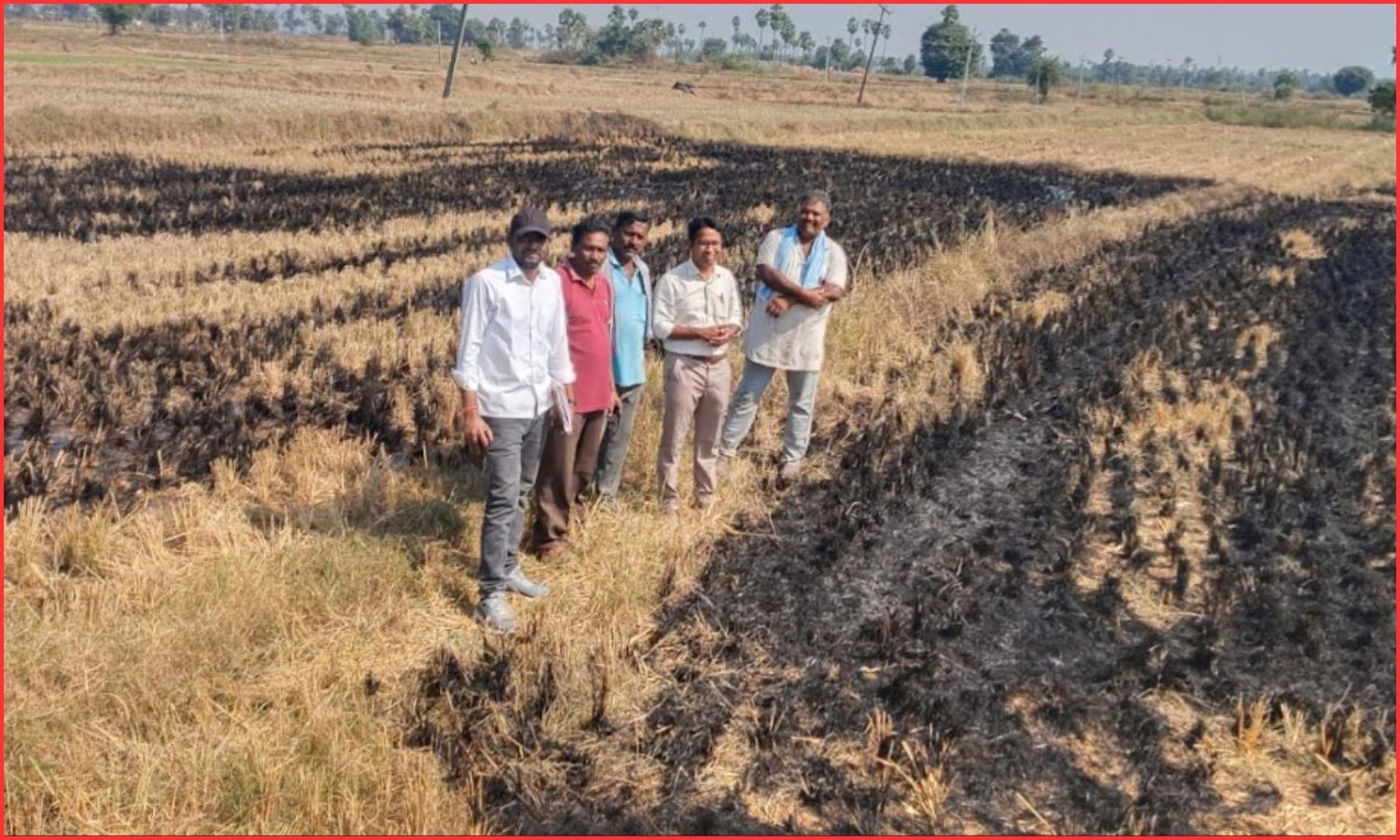
Hyderabad: As farmers in Telangana prepare their fields for the upcoming monsoon following paddy harvesting in the Yasangi season, the state's Agriculture Department has launched a fresh campaign discouraging the burning of crop waste.
Officials have identified that many cultivators resort to burning agricultural residue as a quick method to clear land before planting the next crop. The department, however, has cautioned that this practice carries far greater drawbacks than any short-term advantages.
Environmental and Soil Damage
The burning of crop waste destroys organic carbon and vital soil nutrients, department officials explained. This degradation of soil quality subsequently reduces fertility levels and forces farmers to rely more heavily on chemical fertilisers in coming seasons—an additional expense that undermines long-term agricultural sustainability.
Health and Safety Concerns
Beyond soil damage, the practice poses significant public health risks. Crop residue burning elevates air pollution levels and creates hazardous conditions across affected regions. Officials warned that during summer months, such fires can spread rapidly, potentially causing property destruction and loss of life.
Legal Framework and Penalties
The state has established clear legal restrictions on open burning of waste. Government Order Ms No. 27 explicitly prohibits such practices on agricultural lands, landfill sites, and other locations. Authorities have been empowered to impose environmental compensation charges on those who violate these rules. Penalties range from Rs 5,000 for general waste burning to Rs 25,000 for large-scale burning operations.
Recommended Alternatives
The Agriculture Department advocates for incorporating crop residue directly into the soil instead of burning it. This approach enhances soil fertility, increases organic carbon content, reduces air pollution, and ultimately improves crop yields—benefits that far exceed the convenience of burning.
Ongoing Awareness Efforts
Field-level awareness programmes continue to roll out across villages, yet some farmers persist in burning agricultural waste despite repeated advisories. The situation gained urgency following recent tragic incidents in Bhupalpally district, where farmers Chagarla Chandramouli and Bhagyamma lost their lives in fire incidents connected to agricultural waste.
Following these deaths, Agriculture Director Dr B. Gopi issued directives to district agriculture staff and instructed them to intensify farmer awareness campaigns to prevent such tragedies from recurring.
Compare options