NEMBHARAT Aims to Transform India's Mobility Landscape with Integrated National Ecosystem
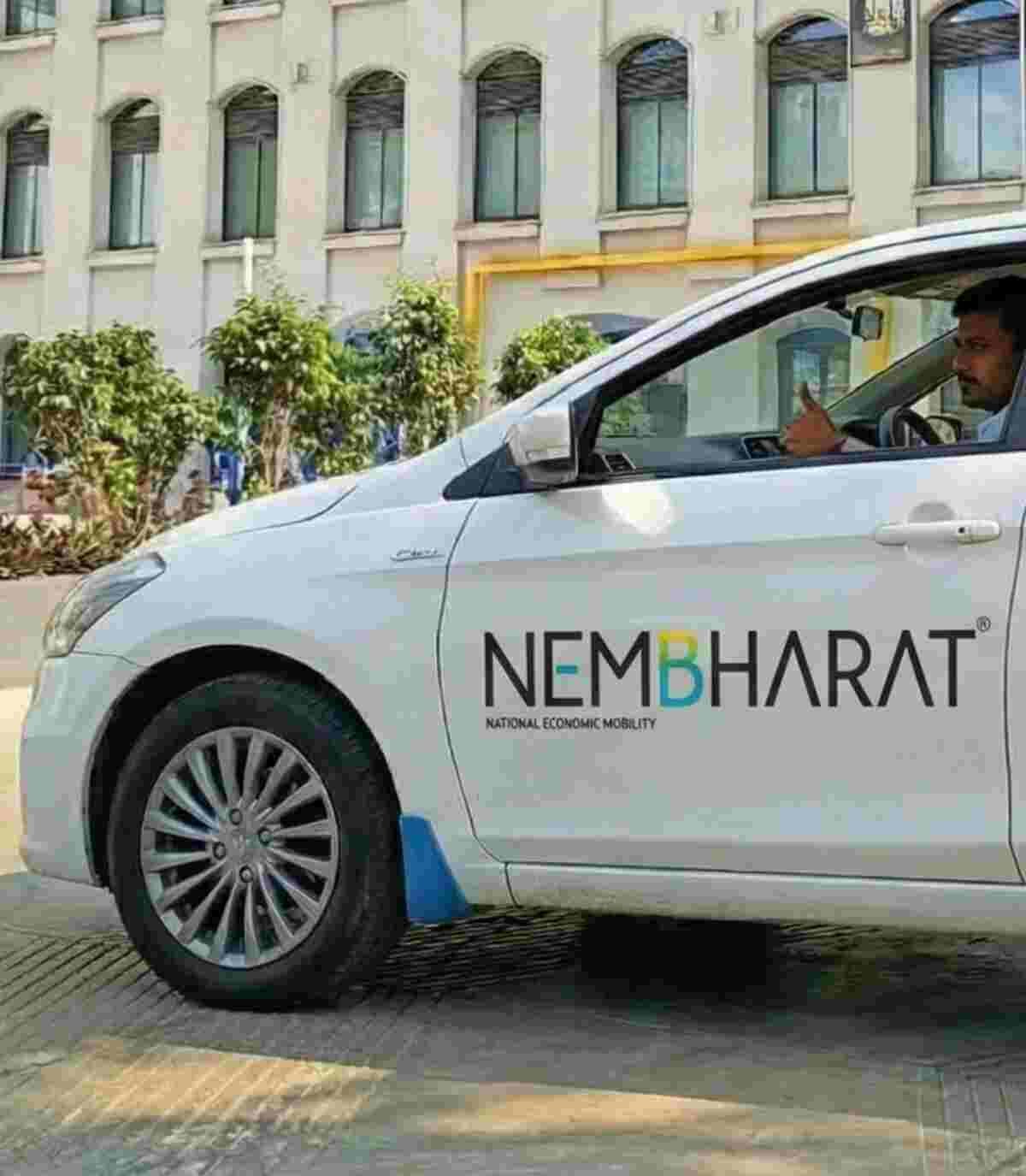
NEW DELHI — India's ride-hailing sector has operated for over a decade on a foundation that commuters and drivers have largely accepted: dynamic pricing for passengers and commission structures affecting driver earnings. NEMBHARAT, which operates as World Economic Mobility Ltd. (WEML), contends this model no longer serves an economy with ambitions to become the world's third-largest economy.
Since its launch in the national capital, NEMBHARAT has articulated an expansive vision: to construct what it calls India's first internationally comparable mobility ecosystem featuring zero commissions and zero surge pricing. The platform aims to serve multinational corporations, enterprises, government bodies, airports, the tourism sector, and everyday urban travelers through a unified interface.
"India represents not a developing market for mobility, but the world's largest opportunity to establish mobility correctly," stated Deepak K. Shah, Chief Executive Officer of NEMBHARAT. "Our objective is to position mobility as national economic infrastructure rather than merely another ride-hailing service. Each organized journey bolsters the economy through enhanced driver incomes, strengthened corporate productivity, improved tourist satisfaction, and reinforced confidence in urban transportation systems. We are not simply disrupting the current model—we are constructing the framework India requires."
WEML is framing NEMBHARAT not as a competitor in the ride-hailing space, but as foundational infrastructure for India's modernization. The platform integrates transparent pricing structures, professionally managed fleets, and technology-driven service protocols. Comparable frameworks operate successfully in developed markets like Singapore and the United Kingdom, where reliability and service consistency function as standard features rather than luxury additions.
The company maintains that timing proves crucial. India's transportation sector faces unprecedented transformation. Substantial capital flows into highway development, airport expansion, digital infrastructure, and smart city initiatives are fundamentally reshaping movement patterns for individuals and businesses nationwide.
Union Minister Nitin Gadkari's sustained commitment over the past decade to upgrade India's road infrastructure and strengthen road safety standards has catalyzed accelerated development. NITI Aayog's emphasis on technology-enabled, coordinated transportation solutions has established supportive policy frameworks for enhanced mobility systems. Simultaneously, the Ministry of Tourism's objective to substantially expand international visitor numbers has underscored the requirement for dependable, secure transportation services meeting global benchmarks. Through a consolidated platform, NEMBHARAT can simultaneously address these interconnected national objectives, Shah added.
The organization's foundational purpose centers on establishing mobility as a cornerstone of India's economic infrastructure—one that matches international standards, harnesses digital connectivity, and reaches every metropolitan area. While the initial ride-hailing decade transformed how Indians reserve transportation, WEML projects that the coming decade will fundamentally reshape how the nation itself moves.
Compare options