Telangana's Public Hospitals Gaining Ground as Patients Flock to Improved Services
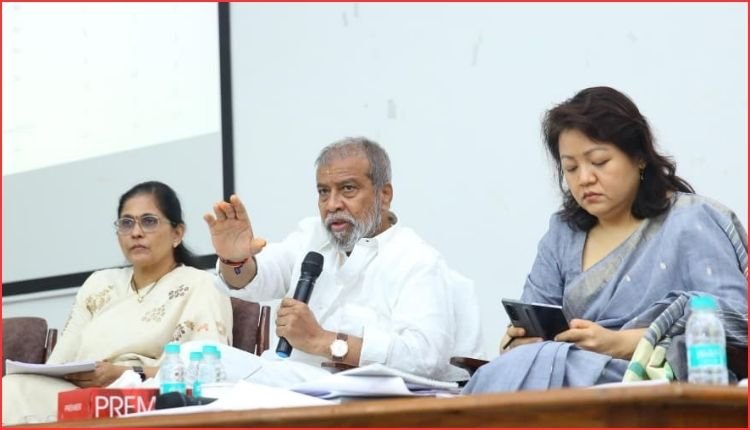
Telangana's government hospitals are experiencing a notable turnaround in service delivery, with patient numbers climbing as the state's healthcare infrastructure strengthens. Health Minister Damodar Rajanarasimha attributed the surge to systematic improvements across facilities, while noting that private hospital operators have witnessed declining patient visits.
The uptick in public hospital usage reflects growing physician interest in joining government institutions, according to the minister. He pointed to a recent recruitment campaign as evidence of mounting confidence in the state's public healthcare framework.
Rajanarasimha made these observations during a Saturday gathering at the Indian Institute of Health and Family Welfare, where he met with superintendents overseeing Government General Hospitals, Area Hospitals, and all government facilities with 100 or more beds. The session brought together Principal Secretary Christina Z. Chongthu, TGMSIDC Managing Director Gaurav Uppal, Director of Medical Education Narendra Kumar, Aarogyasri CEO Hanumanthu, Director of Public Health Ravinder Naik, and other senior administrators.
Strengthening Public Trust Through Sustained Investment
The minister commended hospital leadership for elevating institutional performance, emphasizing their pivotal contribution to advancing public healthcare. He framed the responsibility for maintaining patient confidence as a shared endeavor among government bodies, medical professionals, and hospital personnel.
Rajanarasimha pledged that the state would continue furnishing all necessary resources to ensure timely, high-quality medical care. Over the preceding two-and-a-half years, the government filled approximately 14,000 positions, bringing on board doctors, nurses, lab technicians, and allied health workers. He signaled that recruitment efforts would persist in areas where openings existed.
Infrastructure development remains a priority, with the government constructing replacement facilities to eliminate rented, aging, and inadequate spaces. The administration has simultaneously ensured consistent availability of core medications and surgical instruments.
Accountability and Daily Operational Standards
The minister made clear that superintendents would face no tolerance for excuses regarding service deficiencies, given the resources now available. He instructed leaders to immediately escalate any unmet needs to district collectors, departmental heads, or his office.
Each superintendent must assume full accountability for their institution's operations and guarantee seamless patient experiences from arrival through discharge. Rajanarasimha directed them to conduct daily ward rounds, engage with patients, and swiftly address complaints.
Particular emphasis was placed on maintaining rigorous standards across multiple dimensions: hygiene practices, water quality, sanitation facilities, meal standards, security protocols, and general cleanliness.
Zero Tolerance for Service Lapses
The department will not accept negligence, unwarranted staff absences, treatment delays, or prolonged patient waiting times, the minister warned. He mandated continuous oversight of emergency departments, critical care units, delivery wards, surgical suites, dialysis facilities, diagnostic laboratories, blood collection centers, and imaging services.
Hospitals must initiate treatment immediately for critically ill patients without any postponement. Medical equipment must remain functional, with broken devices repaired without delay and shortages of medicines, supplies, or infrastructure promptly reported to higher authorities.
Performance Metrics and Consequences
A new digital dashboard will enable regular evaluation of government hospital performance across multiple indicators: outpatient and inpatient activity, surgical procedures, emergency response capacity, maternal and child health outcomes, patient satisfaction ratings, cleanliness standards, and overall service caliber.
The government intends to recognize high-performing institutions while implementing corrective measures against those demonstrating negligence, establishing a clear framework of incentives and accountability across the public hospital network.
Compare options