Renowned Temple Garment Designer Launches Educational Initiative on Sacred Textiles With Fashion Students
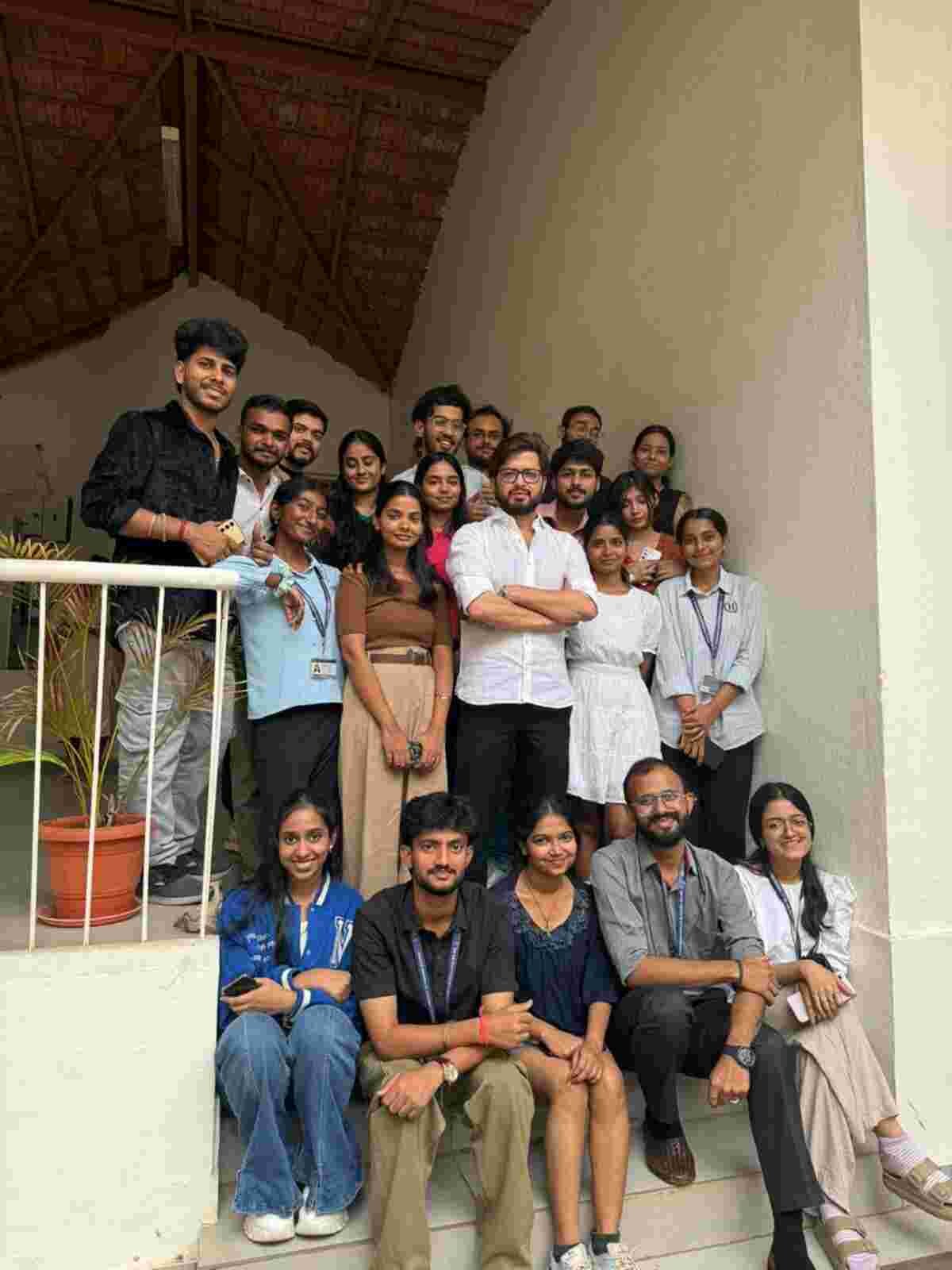
Manish Tripathi, the textile and fashion designer celebrated for creating the vestments worn by Shri Ram Lalla at the Ram Janmabhoomi temple in Ayodhya, has unveiled Shubhvastram—an innovative initiative merging cultural preservation with fashion education. The project brings together learners from the Sri Sri Institute of Fashion Studies to design and produce seasonal garments for Shri Ramlala and deity idols at temples throughout India, with Tripathi providing mentorship and creative direction.
The programme draws its foundation from India's centuries-old handloom and textile craftsmanship, aiming to unite traditional weaving practices, spiritual design principles, and contemporary fashion training through an immersive cluster-based model. Rather than serving merely as a design exercise, Shubhvastram functions as a substantive engagement with living Indian craft ecosystems and temple traditions.
Students participating in the project will examine and collaborate with some of the nation's most celebrated textile traditions. Among the weaving and embroidery styles they will explore are Banarasi Brocade, Kanchipuram Silk, Paithani, Muga Silk, Patan Patola, Kota Doria, Chanderi, and Baluchari. Individual student cohorts receive assignments focused on specific textile clusters, tasked with developing temple-suitable garments that respect ritual protocols, address seasonal variations, and maintain the aesthetic and symbolic conventions of deity veneration.
The initiative unfolds across three distinct stages. The opening phase emphasises research into textile techniques and iconographic elements. The second phase involves direct fieldwork where students and faculty visit artisan communities, engage with weavers and embroiderers, witness traditional methods firsthand, and collaborate in creating fabrics appropriate for temple contexts. The final stage concentrates on organising collections and producing prototype pieces.
"Temple textiles in India transcend mere clothing," Tripathi explained. "They embody devotion, cultural meaning, expert craftsmanship, and the accumulated heritage of generations. This endeavour enables students to develop design capabilities while grasping the responsibility inherent in preserving and presenting our cultural legacy with integrity and respect."
The project's deliverables comprise detailed collection blueprints encompassing daily and festival vestments for Shri Ramlala, comprehensive technical specifications, sample garment prototypes, and detailed documentation of the spiritual and cultural dimensions of each textile tradition involved. Upon completion, the work will be displayed at the Sri Sri Institute of Fashion Studies and considered for presentation to the Shri Ram Janmbhoomi Teerth Kshetra Trust.
Beyond offering participants exposure to a significant initiative connected to one of India's most sacred spiritual sites, Shubhvastram promotes environmentally conscious design approaches, deepens connections between designers and artisan communities, and cultivates heightened consciousness regarding India's textile legacy among emerging creative professionals.
Compare options